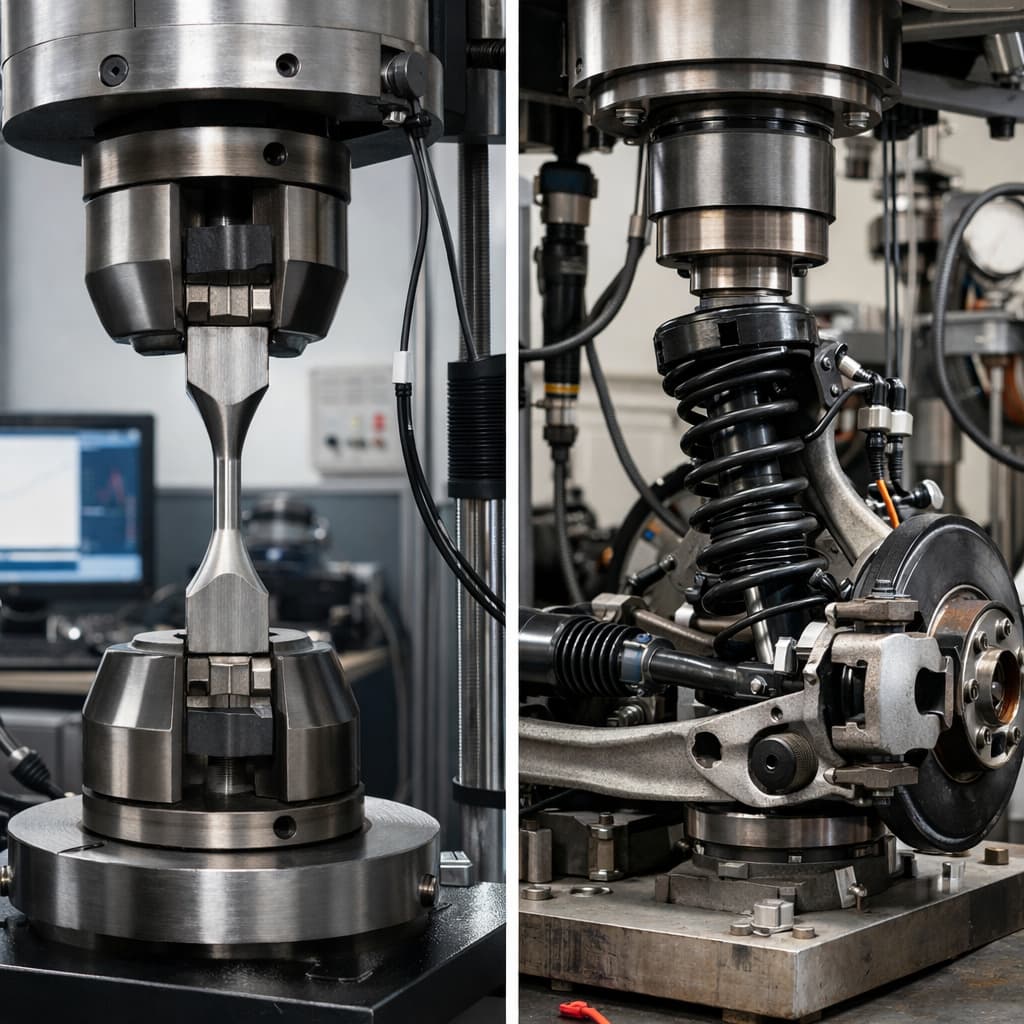

في البلاستيك الهندسي غالباً ما تعتبر بيانات الاختيار والاختبار الأساس الأكثر موضوعية وموثوقية لاتخاذ القرارات. لكن في المشاريع الحقيقية، تحدث عمليات إعادة العمل والإخفاقات الميدانية بسبب “البيانات صحيحة ولكن اختيار المواد خاطئ” وهي ليست نادرة على الإطلاق. لا تكمن المشكلة في الاختبارات نفسها، بل في سوء فهم ظروف الاختبار وحدود البيانات ومدى ملاءمتها الهندسية.
تُعد قيم قوة الشد وقوة الانحناء من بين أكثر نقاط البيانات التي يُساء تفسيرها. تُجرى الاختبارات القياسية عند 23°في حين أن مواد النايلون حساسة للغاية لدرجة الحرارة والرطوبة، فإنّها تتحمل درجات حرارة عالية ورطوبة نسبية تبلغ 50%. في ظل الرطوبة العالية أو درجات الحرارة المرتفعة، قد تنخفض القوة الميكانيكية بأكثر من 30%. تُظهر العديد من حالات الفشل أن استخدام بيانات الاختبار في الظروف الجافة مباشرةً في الحسابات الإنشائية يؤدي إلى تشوه أو كسر غير متوقع أثناء الاستخدام.
تُعد درجة حرارة الانحراف الحراري معيارًا آخر غالبًا ما يتم أخذه خارج سياقه. تُقاس قيم درجة حرارة التحول الحراري (HDT) تحت أحمال ومعدلات تسخين محددة، وهي مخصصة لأغراض المقارنة. في التطبيقات العملية، تتعرض المكونات عادةً لأحمال ثابتة طويلة الأمد أو إجهاد دوري. عند التشغيل بالقرب من درجة حرارة التحول الحراري، مواد النايلون قد تتعرض هذه المواد لتشوه زحفي كبير، حتى لو لم تتجاوز درجة الحرارة قيمة الاختبار. ومع مرور الوقت، قد يؤدي ذلك إلى عدم استقرار الأبعاد وفشل وظيفي.