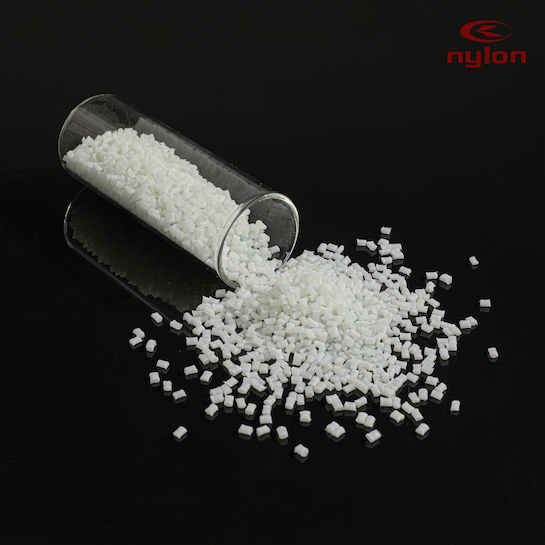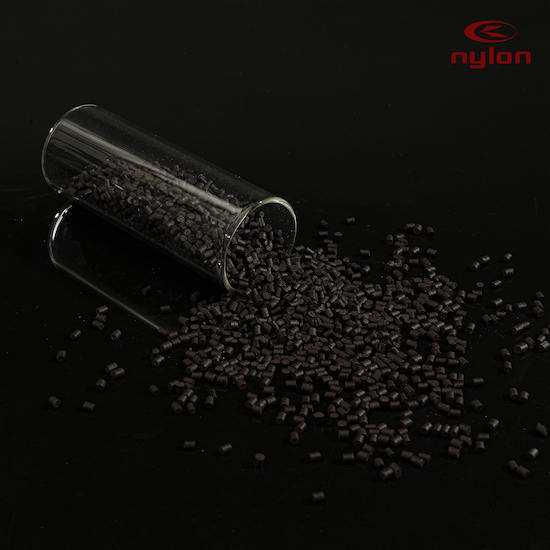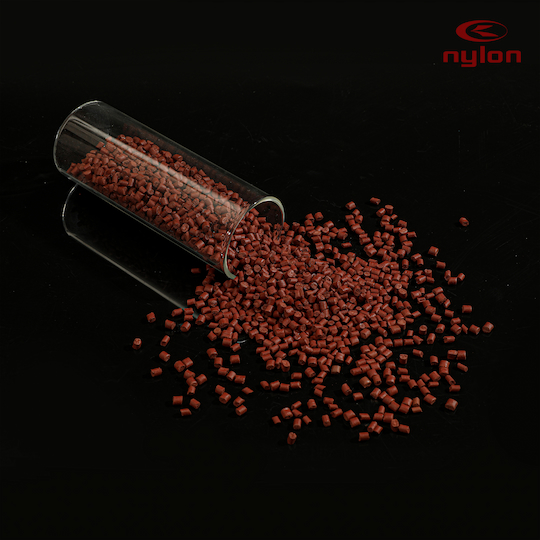

دراسة معمقة للمساحيق الخشنة والناعمة: كيف يؤثر توزيع حجم الجسيمات (PSD) على جودة طلاء النايلون 02
من منظور حركية انصهار البوليمر، يعمل النايلون كمادة لدنة حرارية هندسية شبه بلورية، حيث يتضمن انتقال انصهارها تحولات حادة في اللزوجة وظواهر التبلور. في ظل وقت إقامة ثابت في الفرن ونافذة درجة حرارة محددة، تمتص الجسيمات ذات الأقطار المختلفة الطاقة الحرارية بمعدلات مختلفة. تمتص الجسيمات الدقيقة الطاقة بسرعة، وتنصهر عند درجة حرارة أعلى من درجة حرارة التحول الطوري، مما يؤدي إلى بدء التدفق بشكل فوري تقريبًا؛ إلا أن الانصهار المبكر يُغير ديناميكيات التوتر السطحي الموضعي. أما الجسيمات الخشنة، فتمتص الحرارة بتأخير زمني، مما يتطلب فترة بقاء أطول لإزالة الحدود بين الجسيمات. إذا كان البروتوكول الحراري يُفضل الجسيمات الدقيقة، فإن لب الجسيمات الخشنة يبقى غير منصهر جزئيًا، تاركًا حدودًا فيزيائية بينية تعمل كمواقع لتركيز الإجهاد، مما يُقلل بشكل كبير من مقاومة الصدمات والالتصاق المتقاطع. في المقابل، إذا رُفعت درجة الحرارة لاستيعاب الأجزاء الخشنة، فإن الجسيمات الدقيقة التي تنصهر مبكرًا تُعاني من التدهور الحراري التأكسدي، مما يُسبب الهشاشة والاصفرار.
في مجال ضمان الجودة الصناعية، يُعدّ رصد قيم D10 وD50 وD90، وحساب قيمة Span باستخدام قياس حيود الليزر، بروتوكولًا قياسيًا لهندسة طلاء مستقرة. وتشير التجارب العملية إلى أنه في التطبيقات الكهروستاتيكية التقليدية، يُحقق الحفاظ على قيمة D50 بين 35 و45 ميكرون، وقيمة D10 أعلى من 15 ميكرون، وقيمة D90 أقل من 70 ميكرون (بهدف الحصول على قيمة Span بين 1.2 و1.5) استجابة كهروديناميكية مثالية وتسوية جيدة للطبقة. أما في تطبيقات الطبقة المميعة، فإن الحفاظ على قيمة D50 بين 80 و120 ميكرون، مع الحدّ من الجسيمات الدقيقة التي يقل حجمها عن 30 ميكرون إلى أقل من 5%، يُحسّن من تعليق الغاز والتسوية الحرارية الذاتية. ويؤدي تخصيص معايير توزيع حجم الجسيمات (PSD) وفقًا لبروتوكولات التطبيقات الميكانيكية المحددة إلى التخلص من أكثر من 90% من عيوب الطلاء الناتجة عن المواد الخام، مع تحسين كفاءة النقل واستقرار إعادة التدوير بشكل كبير، مما يُخفض في النهاية تكاليف التصنيع التشغيلية.
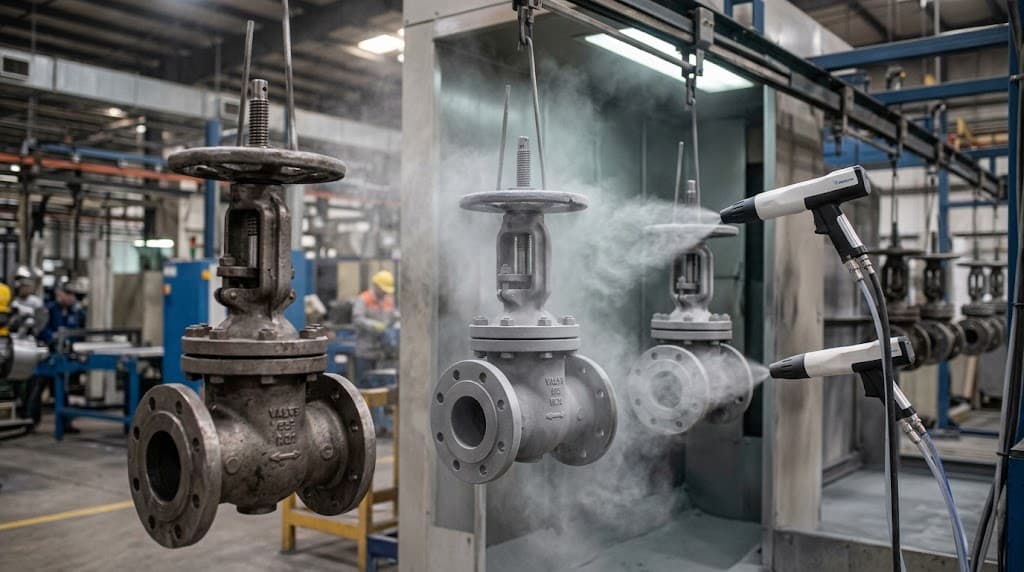
يُحوّل إتقان توزيع حجم الجسيمات طلاء النايلون من عملية تجريبية تعتمد على المحاولة والخطأ إلى هندسة معالجة دقيقة. يجب على موردي المواد ومصنّعي الطلاء الصناعي تجاوز تصنيفات درجات البوليمر القياسية أو الكثافة الظاهرية، ودمج مقاييس توزيع حجم الجسيمات في عمليات فحص استلام المواد الخام وأطر التحقق من الجودة. يُمكّن إنشاء قاعدة بيانات تحليلية مباشرة تربط مقاييس الحبيبات ببنية الطلاء في أرضية المصنع خطوط الإنتاج من الانتقال من استكشاف الأخطاء وإصلاحها بشكل تفاعلي إلى مراقبة الجودة التنبؤية، مما يضمن متانة عالية واتساقًا في الأداء. نايلون طبقات عازلة عبر بيئات صناعية صعبة.
التعليمات
1. ما هو الحد الأدنى لكمية الطلب؟
بالنسبة لطلبات العينات، نوصي بحد أدنى 5 كجم كحد أدنى للكمية المطلوبة لضمان صحة الاختبار.
بالنسبة للطلبات بالجملة، نقترح أن يكون الحد الأدنى للكمية 1000 كجم، وكلما زادت الكمية انخفضت تكلفة الشحن.
2- حول العينة.
العينات التي لا تتجاوز 5 كيلوغرامات مجانية، ولا تشمل تكلفة الشحن.
3- حول الجودة.
نحن حاصلون على شهادة ISO9001 ولدينا معدات اختبار مثالية لضمان اختبار كل دفعة من المنتجات وتأهيلها قبل التسليم.
4- حول وقت التسليم.
عادةً ما يتم شحن العينات في غضون 3-5 أيام، ويمكن شحن الطلبات بالجملة في غضون 7-10 أيام.
5- حول طريقة المعاملة والدفع.
ندعم طرق الدفع TT و LC و EXW و FOB و CIF و CNF.