
CHINAPLAS Special Report: Future Growth Prospects of High-Performance Engineering Plastics in EV Manufacturing
The rapid global transition toward electric vehicles (EVs) is fundamentally restructuring the modern automotive supply chain. Industry analysts from BloombergNEF project that electric passenger car sales will surge dramatically over the next decade, accelerating demands for thermal efficiency, ultra-fast charging, and lightweight structural safety. Consequently, automotive original equipment manufacturers (OEMs) and Tier-1 suppliers are re-evaluating traditional metallic components in favor of specialized polyamides. The modern search for High-Performance Engineering Plastics in EV Manufacturing centers on addressing three-dimensional technical challenges: high-voltage breakdown, extreme continuous heat exposure, and strict vehicle curb weight limits. As CHINAPLAS highlights the latest industrial innovations, engineering polymer suppliers are advancing tailored compounding technologies to satisfy these complex electrical and mechanical standards.
The EV Material Evolution: Driving Forces Behind High-Performance Thermoplastics
Next-Gen EV Requirements
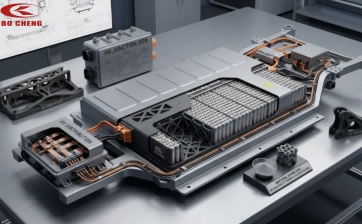
Next-generation electric vehicle architecture demands materials capable of withstanding unprecedented mechanical and electrical stresses. The widespread adoption of 800V high-voltage fast-charging platforms requires battery enclosures and busbar installations to maintain insulation under intense continuous current loads. Moreover, stringent global regulatory updates on vehicle energy efficiency dictate aggressive weight reduction strategies. Thermoplastics must now balance structural durability with exceptional flame retardancy, providing robust protection against internal cell failures or thermal runaway events.
The Core Material Bottlenecks
Engineers frequently encounter technical trade-offs when selecting polyamides for critical electric vehicle assemblies. Standard unfilled polymers often lack the heat deflection temperatures needed for severe sub-hood or battery pack environments. Meanwhile, conventional flame retardants can impair mechanical toughness or increase moisture absorption, which degrades dielectric strength over time. Achieving UL94 V-0 flame rating while keeping dynamic modulus, high Comparative Tracking Index (CTI) ratings, and EMI shielding capabilities remains a mandatory benchmark for next-generation component design.
Market Trends & Third-Party Insights
According to recent market research by MarketsandMarkets, the global market for high-temperature polyamides and PPA resins is expanding significantly within the automotive sector. This growth stems from the continuous replacement of die-cast aluminum in structural covers, high-voltage junction boxes, and electronic housing units. Industrial data indicates that specialized modified polyamides reduce overall part weight by up to thirty percent compared to metallic alternatives, directly extending driving range without compromising passenger safety.
Engineering Trade-offs: PA66 vs. PPA vs. PA6T in Critical EV Systems
Battery Module & Busbar Insulation
Selecting the right engineering polymer requires a meticulous examination of specific operating conditions. In battery module framing and busbar insulation covers, PA66 GF30 FR V0 materials offer an effective balance of flame safety and structural rigidity. Flame-retardant PA66 compounds reinforced with thirty percent glass fiber deliver dependable mechanical stabilization during continuous vibration while maintaining essential UL94 V-0 compliance under intense thermal contact.
High-Voltage Connectors & Fast-Charging Interconnects
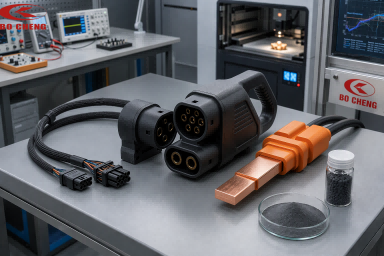
High-voltage connectors present an entirely distinct set of physical requirements. Electric vehicle fast-charging interconnects experience elevated localized temperatures during rapid power delivery, often reaching SMT reflow soldering environments during assembly. Under these conditions, standard PA66 resin can absorb ambient moisture, leading to dimensional shifts and potential dielectric failure. High-temperature polyamides such as PA6T/66 overcome this bottleneck by exhibiting significantly lower water absorption rates and superior dimensional retention, making PA6T/66 compounds ideal for precision electronic pin connectors and terminal blocks.
Extreme Thermal Management
Under-the-hood thermal management systems frequently subject plastic housings to continuous operating temperatures exceeding 150 degrees Celsius. While conventional PA66 formulations experience mechanical creep and thermal degradation over long-term heat exposure, Polyphthalamide (PPA) retains high tensile strength and stiffness at elevated thresholds. Evaluating PPA resin vs PA66 under extreme thermal stress confirms that PPA modified resins effectively bridge the gap between engineering thermoplastics and high-cost exotic polymers, giving automotive engineers a reliable solution for severe thermal management components.
Reinforcement Technology Battle: Carbon Fiber (CF) vs. Glass Fiber (GF)
Structural Lightweighting
The selection of reinforcement fibers profoundly impacts structural weight and stress distribution. Glass fiber reinforcement provides reliable stiffness at a favorable economic threshold, serving as the industry standard for general enclosure components. However, advanced structural parts requiring maximum strength-to-weight ratios increasingly utilize carbon fiber technology. Carbon fiber reinforced polyamides deliver extreme flexural modulus while noticeably reducing total component mass.
Mechanical Fatigue & Anisotropy
Despite these performance benefits, carbon fiber integration requires precise processing expertise during injection molding. Fiber orientation can create mechanical anisotropy, which potentially increases warpage in thin-walled housings or introduces weakness along mold weld lines. Experienced material formulators mitigate these risks through refined melt flow optimization and specialized coupling agents, ensuring balanced fiber dispersion and maximum fatigue resistance throughout the part lifecycle.
Total Cost of Ownership (TCO) Matrix
Engineering teams must carefully balance material purchase price against long-term operational performance. Incorporating carbon-fiber-reinforced PPA materials involves a higher initial material expense compared to standard glass-reinforced formulations. However, the resulting weight savings, part-consolidation opportunities, and high production yield rates offset raw material costs over full vehicle production cycles, delivering a compelling total cost of ownership for Tier-1 automotive manufacturers.
Strategic OEM Solutions: Custom Modification & Co-Engineering with BOCHENG
Precision Modification Capabilities
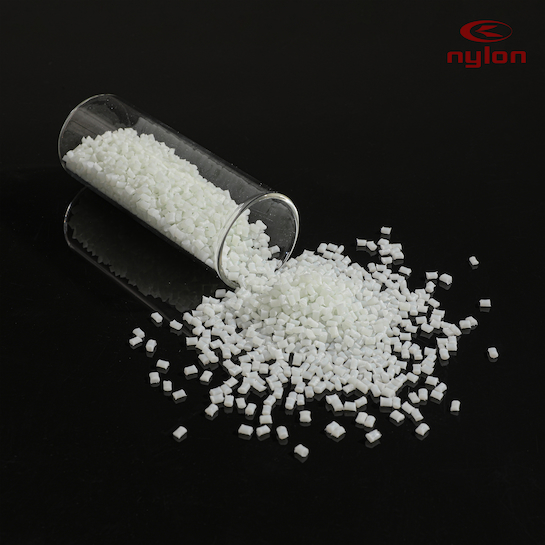
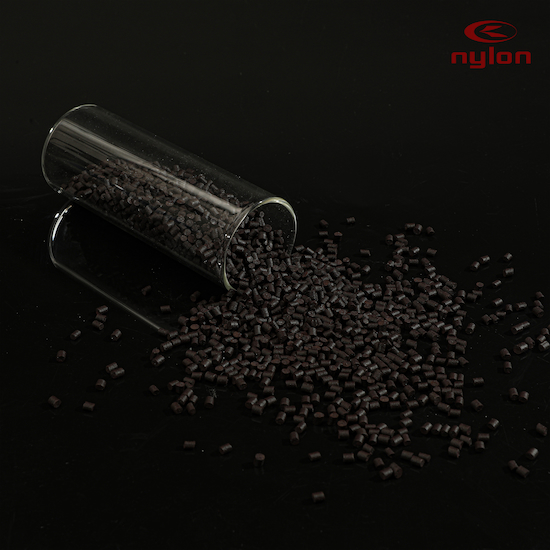
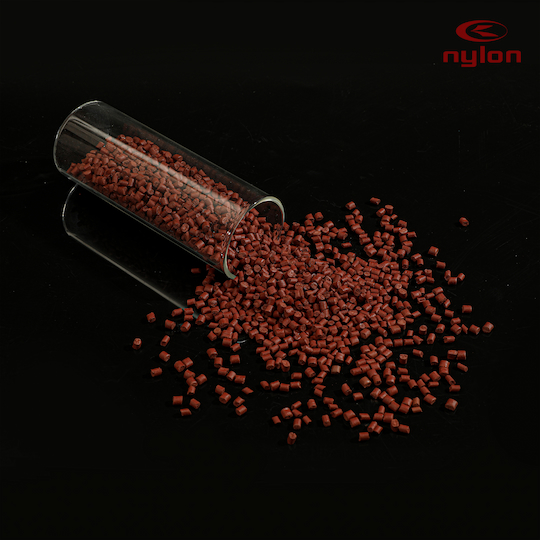
Navigating complex automotive standards demands custom compounding capabilities tailored to specific application requirements. BOCHENG(Xiamen Bocheng Plastic Materials Co., Ltd) specializes in custom polyamide modification, supplying specialized grades across virgin, glass-fiber-reinforced, carbon-fiber-reinforced, and eco-friendly flame-retardant polyamide series. By carefully adjusting fiber ratios, heat stabilizers, and flame retardants, Xiamen Bocheng Plastic Materials Co., Ltd optimizes raw polymer formulations for demanding automotive environments.
Quality Assurance & Global Compliance
Reliability remains the cornerstone of modern automotive supply chains. BOCHENG maintains rigorous quality control procedures across all manufacturing operations, certifying product lines to international benchmarks such as UL94 V-0 flame ratings and ISO quality standards. Furthermore, formulations fully comply with REACH and RoHS environmental directives, allowing global Tier-1 suppliers to seamlessly integrate these raw materials into worldwide production platforms without regulatory delay.
Accelerating Automotive Time-to-Market
As competition intensifies within the global electric vehicle space, automotive OEMs require rapid development cycles alongside dependable material support. BOCHENG provides comprehensive co-engineering services, assisting technical teams with resin selection, mold design recommendations, and rapid material sampling. Through continuous modification innovation and dedicated technical support, BOCHENG enables automotive manufacturers to build safer, lighter, and more efficient next-generation electric vehicles.
Discover custom modified polyamides and technical support at https://www.pa6-pa66.com/.